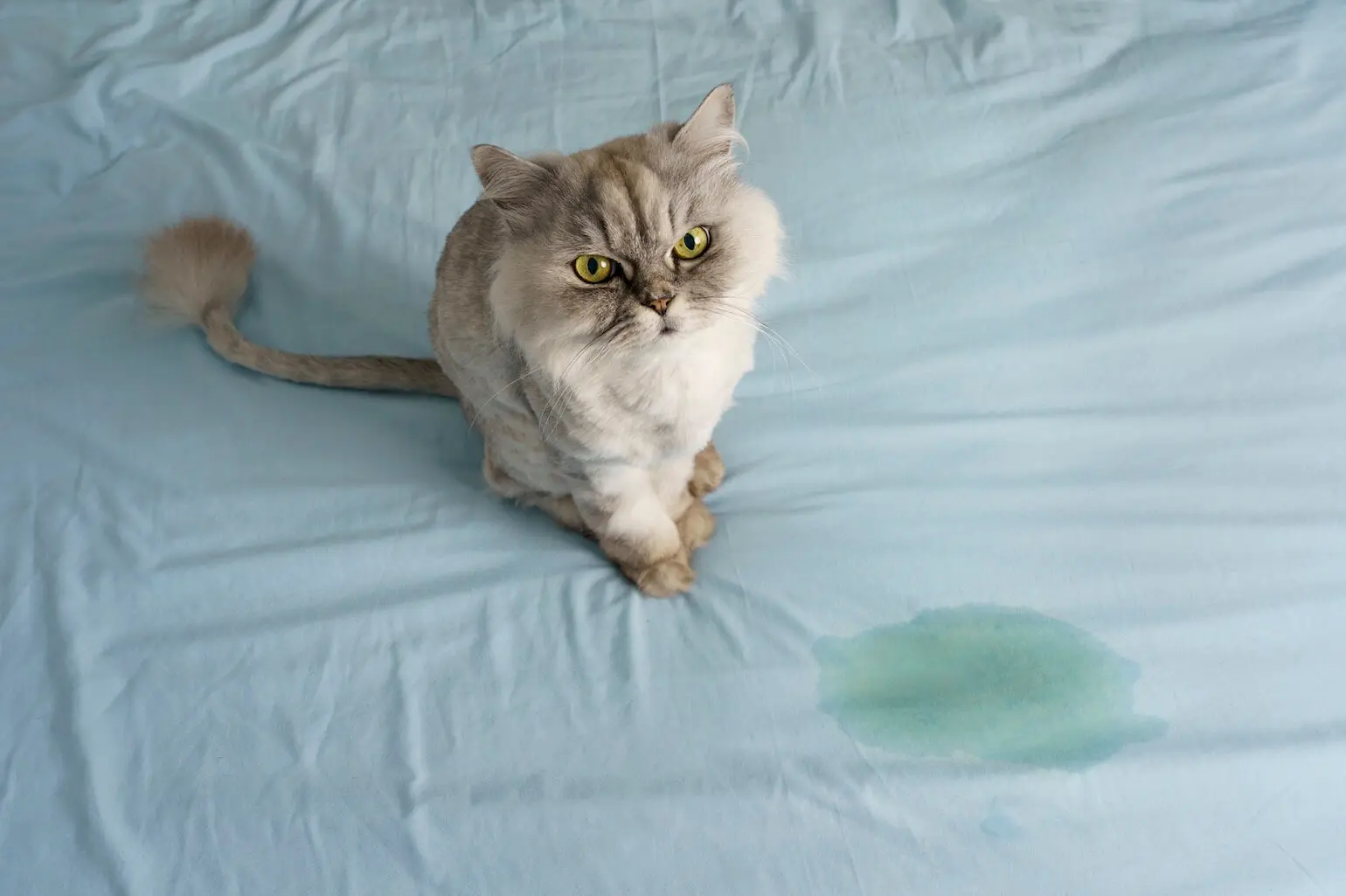
Why Is My Cat Peeing On My Clothes? Unraveling the Mystery & Finding Solutions
Discovering your cat has peed on your clothes – whether it’s a pile of laundry, your favorite sweater, or items straight from the drawer – is frustrating, confusing, and often smelly. This unwelcome behavior signals something is amiss in your cat’s world. Understanding why is my cat peeing on my clothes is the crucial first step towards resolving it. It’s rarely about spite; it’s typically a cry for help or a reaction to stress, discomfort, or an unmet need.
Decoding the Message: Top Reasons Cats Target Your Clothes
Cats are creatures of instinct and habit. When they urinate outside the litter box, especially on soft, absorbent surfaces like clothing, bedding, or carpets, they are communicating. Here are the primary culprits:
- Underlying Medical Issues: The Urgent First Check
- Urinary Tract Infections (UTIs): Painful urination can cause your cat to associate the litter box with discomfort. Soft clothes might feel like a less painful alternative.Bladder Stones/Crystals: These cause inflammation, blockage (a life-threatening emergency, especially in males), and urgency, leading to accidents anywhere, including clothes.Kidney Disease: Increased thirst and urination frequency can overwhelm a cat, leading to accidents.Diabetes: Similar to kidney disease, excessive urination can result in loss of control.Arthritis or Pain: Getting in/out of a high-sided box or experiencing pain while posturing can deter litter box use. Clothes on the floor are easily accessible.Hyperthyroidism: Increased metabolism often leads to increased urination.Cognitive Decline (in senior cats): Confusion can lead to forgetting litter box location or purpose.
- Litter Box Dissatisfaction: The Most Common Behavioral Cause
Cats are incredibly particular about their bathroom facilities. If the box isn’t up to their standards, your clothes might become the alternative. Key issues include:- Dirty Litter Box: Scooping is non-negotiable. Many cats refuse a box with even one previous deposit. How often should I clean the litter box? Scoop solids daily, change clumping litter completely weekly, non-clumping every few days.
- Wrong Litter Type: A sudden switch in litter texture (e.g., scented to unscented, clay to crystal) or a type they dislike (too dusty, too rough) can cause rejection. What is the best litter to stop cat peeing on clothes? Revert to the previous type or offer multiple boxes with different litters to see preference.
- Inadequate Number of Boxes: The golden rule is one litter box per cat, plus one extra. In multi-cat households, competition or territorial guarding can block access.
- Wrong Box Location: Is the box in a noisy, high-traffic area (like near a washing machine), or hard to access? Cats prefer quiet, private, easily accessible locations. Avoid placing near food/water.
- Box Size/Type Issues: A box that’s too small, too deep (hard for seniors/kittens to enter), or covered (traps odors) can be off-putting. My cat pees on clothes near the litter box often points directly to box aversion.
- Stress and Anxiety: The Silent Trigger
Cats are sensitive to environmental changes. Stress manifests in various ways, including inappropriate urination. Common stressors:- New Pets/People: Introductions can upset the social hierarchy and territory.
- Changes in Routine: Work schedule shifts, vacations, houseguests disrupt predictability.
- Conflict with Other Cats: Even subtle tensions in multi-cat homes can cause stress-marking.
- Loud Noises: Construction, thunderstorms, or noisy appliances near the litter area.
- Moving or Remodeling: Changes to their core territory are highly stressful.
- Lack of Resources: Insufficient food/water stations, hiding spots, or vertical space (cat trees).
- Boredom/Lack of Stimulation: Undersocialized or under-stimulated cats can develop anxiety.
- Territorial Marking: Sending a Message
While often confused with inappropriate urination, marking typically involves small amounts of urine sprayed on vertical surfaces. However, anxiety-driven marking can sometimes target horizontal surfaces like clothes piles, especially if they smell strongly of you or another pet. This is more common in unneutered males but occurs in spayed/neutered cats too under stress. Why is my cat peeing on my clothes but not the litter box? Marking is communication, not a bathroom accident. - The Allure of the Laundry Pile: Scent Association & Convenience
- Your Scent: Clothes saturated with your scent are comforting. Peeing on them can be a way to comingle scents, especially if the cat feels insecure or is seeking reassurance. Cat peeing on clothes in closet often relates to seeking security in a confined, scent-filled space.
- Previous Accidents: If urine smell wasn’t completely eliminated (more on this later), the lingering odor signals “bathroom spot” to the cat.
- Soft Texture: Cats naturally prefer soft, diggable substrates. Piles of clothes mimic this.
- Accessibility: A laundry basket or clothes on the floor is simply easier than finding an acceptable box, especially for older or less mobile cats.
Solving the Problem: Effective Strategies to Stop Cat Peeing on Clothes
Once medical causes are ruled out by your vet, a multi-faceted behavioral and environmental approach is needed:
- Optimize the Litter Box Experience (The Foundation)
- Increase Boxes: Implement the N+1 rule immediately.
- Scoop Religiously: At least once, preferably twice daily.
- Experiment with Litter: Offer 2-3 types in separate boxes. Unscented, fine-grained clumping litter is often preferred. Avoid liners if they cause issues.
- Re-evaluate Location: Place boxes in quiet, low-traffic, easily accessible areas on each level of the home. Avoid corners where a cat could feel trapped.
- Choose the Right Box: Large, uncovered boxes are generally best. Low-entry boxes for seniors/kittens. Ditch hoods if odor or confinement is an issue.
- Deep Clean Boxes: Empty and wash boxes with mild, unscented soap and hot water weekly (avoid harsh chemicals).
- Eliminate Odors COMPLETELY (Breaking the Habit Cycle)
Standard cleaners are NOT enough. Cat urine contains uric acid crystals that bond to surfaces and reactivate with moisture. Enzyme-based cleaners are ESSENTIAL:- How to get cat pee smell out of clothes effectively: Soak affected items immediately in cold water mixed with an enzymatic cleaner (follow product instructions). DO NOT use heat (dryer, hot water) – it sets the stain and smell permanently. Wash normally after enzymatic treatment.
- For carpets, furniture, drawers: Saturate the area thoroughly with enzymatic cleaner, ensuring it penetrates deep down. Cover with plastic to keep moist and allow dwell time (often hours). Repeat if necessary. U-Savi offers powerful, affordable enzymatic cleaners specifically formulated to neutralize pet urine odors at the source, breaking down uric acid crystals permanently. This is critical to prevent re-marking. (Natural integration point for U-Savi product solution).
- Manage Clothing & Laundry Access (Remove the Target)
- Keep Floors & Surfaces Clear: Never leave clothes, towels, or laundry baskets on the floor. Make it a habit.
- Secure Dirty Laundry: Use hampers with secure lids or keep them in closets/bathrooms with closed doors. U-Savi provides a range of affordable, durable laundry hampers with lids and practical closet storage solutions to help keep your clothes safely stowed away. (Natural integration point for U-Savi product solution).
- Close Closet & Drawer Doors: Prevent access to stored clothes.
- Clean Soiled Areas Thoroughly: As above, use enzymatic cleaner anywhere an accident has occurred, even if you can’t smell it anymore.
- Reduce Stress & Anxiety (Creating Calm)
- Identify & Minimize Stressors: What changed before the behavior started? Address it if possible (e.g., gradual pet introductions, providing hiding spots during renovations).
- Provide Vertical Space: Cat trees, shelves, and window perches offer security and territory.
- Increase Play & Enrichment: Dedicated interactive play sessions (mimicking hunt-catch-eat) daily. Puzzle feeders, food-dispensing toys, and novel objects provide mental stimulation. How to stop cat peeing on clothes due to boredom? Consistent play is key.
- Create Safe Havens: Quiet rooms or cozy hiding spots (covered beds, boxes) where the cat can retreat.
- Use Feliway or Similar: Synthetic feline facial pheromone diffusers (like Feliway Classic) can promote feelings of security and reduce stress-related marking in some cats.
- Maintain Routine: Feed, play, and interact at consistent times.
- Address Multi-Cat Dynamics
- Ensure ample resources spread throughout the home: litter boxes (in different locations!), food/water stations, scratching posts, resting spots.
- Watch for bullying or blocking behavior at resources. Separate cats if necessary during initial reintroduction after conflict.
- Consider separate feeding areas.
- Never Punish
Yelling, rubbing their nose in it, or spraying water only increases fear and anxiety, worsening the problem. It also damages your bond. Focus on positive reinforcement for using the litter box and removing access/temptation.
When to Seek Professional Help
If you’ve diligently implemented these strategies:
- Ruled out medical causes with a vet.
- Optimized the litter box situation.
- Thoroughly cleaned with enzymatic cleaners.
- Managed clothing access.
- Worked on reducing stress…
…and the behavior persists or worsens, consult with: - Your Veterinarian Again: Some conditions need further diagnostics or management.
- A Certified Cat Behavior Consultant (IAABC, CCPDT): They specialize in complex feline behavior issues and can provide a tailored behavior modification plan. Look for credentials emphasizing science-based, force-free methods.
U-Savi: Your Partner in Practical Home Solutions for Pet Owners
Dealing with a cat peeing on clothes is undeniably stressful. Beyond the emotional toll, it creates practical challenges: managing laundry, eliminating odors, and safeguarding belongings. U-Savi understands the demands of pet ownership and maintaining a clean, comfortable home.
How U-Savi Supports You:
- Effective Odor Elimination: Find powerful, budget-friendly enzymatic cleaners specifically designed to permanently neutralize tough pet urine odors at the source – crucial for breaking the inappropriate elimination cycle. (Addresses the core cleaning need).
- Practical Storage Solutions: Discover a wide range of secure laundry hampers with lids, closet organizers, and storage bins to keep clothes, linens, and vulnerable items safely stowed away and inaccessible to curious cats. (Addresses prevention).
- Durable Home Essentials: From easy-to-clean floor mats near litter boxes to replaceable bedding covers, U-Savi offers affordable, reliable products that make managing pet-related messes easier and protect your home environment.
- Global Convenience: As a global retailer operating online (u-savi.com and major platforms) and expanding physical stores (US & EU), U-Savi makes these essential solutions accessible and affordable worldwide. Empower yourself with the tools to tackle this challenge effectively, without straining your budget.
Conclusion: Patience, Understanding, and the Right Approach
Discovering why is my cat peeing on my clothes requires detective work, starting with a vet visit. While frustrating, remember this behavior is a symptom, not malice. By systematically addressing potential medical issues, optimizing the litter box environment, completely eliminating odors with enzymatic cleaners, managing clothing access, and reducing stress, you can guide your cat back to appropriate elimination habits. It demands patience, consistency, and often some practical help from solutions like those offered by U-Savi. With understanding and the right strategies, harmony can be restored to your home and your wardrobe.